Health and Medical FAQ
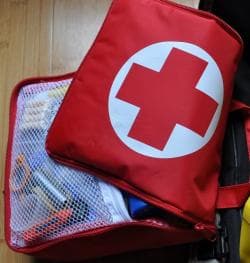
How long will it take us to acclimatize to the altitude in Cusco before we can comfortably participate in hiking or other activities?
The altitude in Cusco is 3400M / 11,200' above sea level. Flights from Lima take about 1 hour 20 minutes and do not allow time for adaptation to altitude. It is recommended that visitors arriving in Cusco allow at least 2 days before starting hikes or other strenuous activities. Fitness does not appear to be a factor in altitude sickness, and any age may experience at least mild symptoms.
We offer easy walking tours and traditional sightseeing activities on the first two days after arrival, with flexible schedules and adjustable pace.
Machu Picchu is at a lower elevation (8000'), and by the time most visitors arrive there they are adapted. Follow this link for a 7-day walking vacation with time to acclimatize.
Visitors to Cusco can expect minor altitude symptoms such as headaches, slight nausea, breathlessness, and fatigue. To ease discomfort, drink plenty of water, avoid alcohol, and use OTC pain relievers as needed. Local remedies include coca leaf tea and supplemental oxygen. Many hotels offer both.
Some travelers think the lower elevation of Sacred Valley (around 9000 ft) helps reduce symptoms, but the trade-off is longer travel time and limited infrastructure. The recommendation is to arrive in Cusco and go directly to your hotel where services are easy to access.
Travelers can discuss Diamox (acetazolamide) with their physicians. For best results, it generally needs to be started about 2 days before arrival at altitude.
For US travelers, find a medical travel clinic near you for up-to-date alerts and vaccination info.
How will we carry all our luggage on the train to Aguas Calientes on our way to visit Machu Picchu?
Visitors do not take all luggage to Machu Picchu. Excess luggage is stored at your hotel in Cusco or Sacred Valley, where secure storage rooms are standard. You should pack enough for a weekend trip in a daypack or carry-on.
Because trains do not have baggage cars, each traveler carries their own bag on board and stores it under or behind seats. Aguas Calientes also has no cars, taxis, or pedicabs, so luggage must be hand-carried to hotels.
Guides assist with carry-ons as needed, and luxury hotels can arrange station support if notified in advance. For the 1-day Inca Trail, you should pack all hike and overnight essentials in your backpack.
If needed, a porter can transport one small carry-on per group by train and deliver it to your Aguas Calientes hotel for $100 USD.
Do we need shots or visas to visit Ecuador, Bolivia, or Peru?
No special vaccinations are needed for Machu Picchu, Lima, Cusco, Lake Titicaca, or Arequipa in Peru; Quito, Otavalo, Cotopaxi National Park, Mindo, Guayaquil, or Galapagos Islands in Ecuador; or Uyuni Salt Flats; or Bolivia. It is still recommended that you check with your physician before travel.
Yellow Fever vaccination may be recommended for some Amazon destinations, such as Iquitos, Manu Biosphere Reserve, and Puerto Maldonado in Peru. In Bolivia, YF vaccination is required for jungle and lower-elevation travel. Carry the medical documents issued at vaccination time.
Subject to change. Always verify latest info with CDC or other reliable sources. Adios Adventure Travel is not responsible for immigration and health policies for entry to any country.
The US Centers for Disease Control traveler site maintains current travel health guidance. Some countries can require YF proof if you are arriving from Peru, regardless of where you visited there.
US and Canadian passport holders do not need visas for Peru or Ecuador, but US citizens do need a visa for Bolivia: Bolivia visa information for US citizens. Others should check with their embassy. You can also use this embassy links resource.
Is it safe to drink the water and eat the food?
Drink bottled or purified water while traveling in South America. Water quality varies, and even tap water that appears clean may contain microorganisms or other contaminants unfamiliar to your system.
Use bottled or purified drinking water even when brushing your teeth
Bottled water is widely available but creates single-use plastic waste. Bringing a purification device is encouraged. Here is a related guide: best water filter for travelers.
All tours are escorted by guides who steer travelers to restaurants and food establishments with sound food-handling practices. Street food can be safe in some circumstances, and guides can help assess options.
Tip: Fresh fruits and juices are common at breakfast buffets. Fresh papaya can have a laxative effect, so start small.
In key tourist areas of Ecuador and Peru, staff may stand outside restaurants and offer deals. Review offers carefully and confirm what is included before ordering. Also check whether a tip has already been included in the bill.
Can anyone get entry tickets to Machu Picchu?
Yes. The Peru government maintains an official site where tickets can be purchased online: tuboleto.cultura.pe. Entry slots are sold by time window from 6 AM to 3PM for circuits that are open all day. Machu Picchu hikes have limited entry times. Availability for Inca Trail permits can be discussed via the US office.